
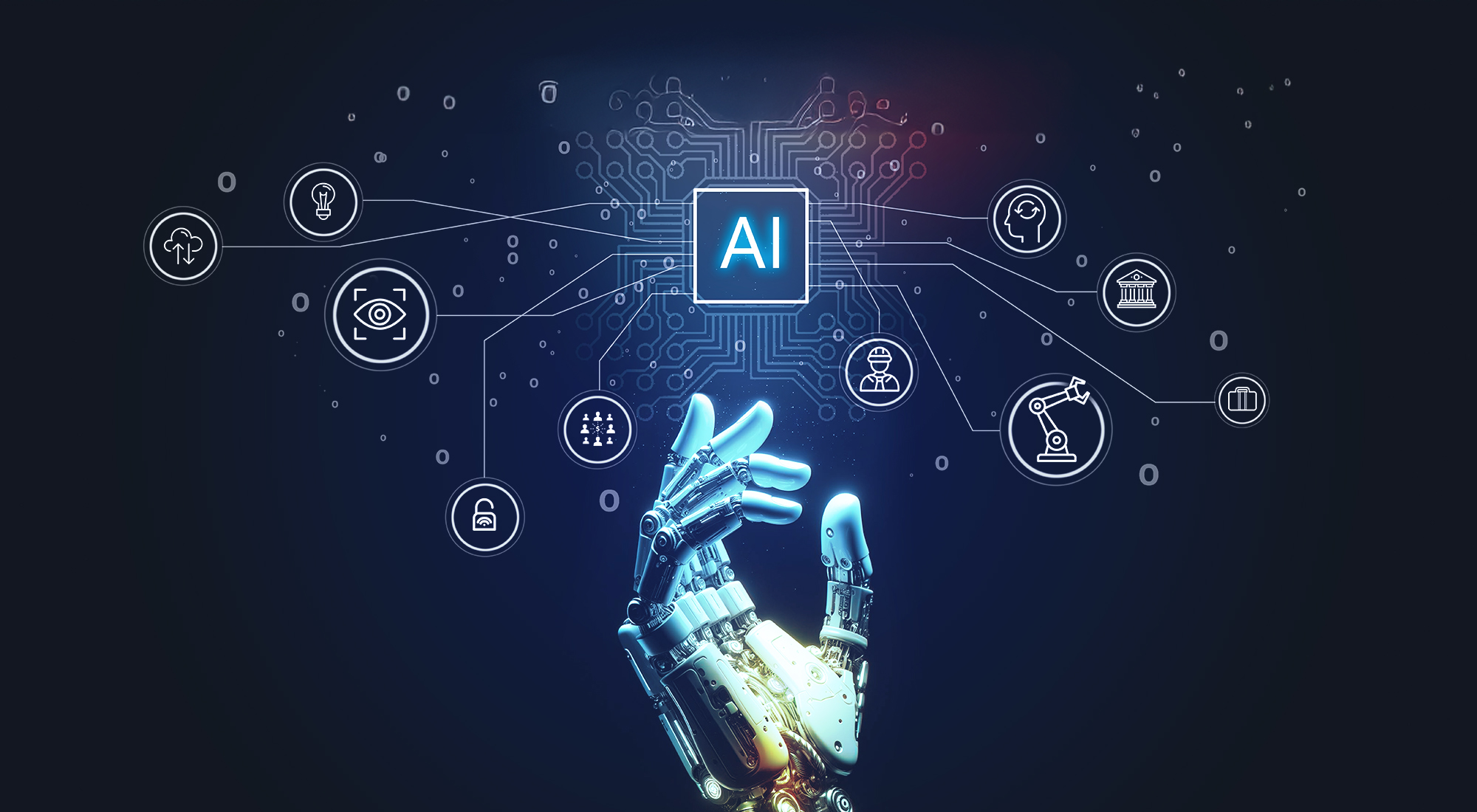
The world of marketing has changed rapidly in the last decade, and technology has played a huge role in this transformation. One of the biggest innovations driving this change is AI in Digital Marketing. Artificial Intelligence helps businesses understand their audience better, automate marketing tasks, and deliver highly personalized experiences to customers. From analyzing customer data to predicting buying behavior, AI is helping companies make smarter marketing decisions and achieve better results.
In today’s competitive digital world, brands are constantly looking for ways to improve their marketing strategies. Traditional marketing methods are no longer enough to reach modern audiences who spend most of their time online. This is where AI in Digital Marketing becomes a powerful tool. It allows businesses to process large amounts of data quickly and convert that data into meaningful insights that improve campaigns, customer engagement, and overall marketing performance.
What is AI in Digital Marketing?
Artificial Intelligence refers to machines or software that can perform tasks that normally require human intelligence. These tasks include learning from data, recognizing patterns, making predictions, and even interacting with users.
When applied to marketing, AI in Digital Marketing helps marketers automate processes, analyze consumer behavior, and optimize campaigns for better performance. AI-powered tools can track user interactions, study preferences, and recommend the most effective marketing strategies.
For example, many websites today use AI chatbots to answer customer questions instantly. Similarly, recommendation systems used by e-commerce platforms suggest products based on a user’s browsing history and interests.
Why AI is Important for Digital Marketing
Digital marketing involves multiple tasks such as content creation, social media management, email campaigns, advertising, and data analysis. Handling all these tasks manually can be time-consuming and inefficient.
This is why AI in Digital Marketing is becoming essential for businesses of all sizes. AI tools help marketers work smarter by automating repetitive tasks and providing valuable insights.
Some key benefits include:
-
Faster data analysis
-
Improved customer targeting
-
Personalized marketing campaigns
-
Higher conversion rates
-
Better customer experience
With AI technology, marketers can understand what customers want and deliver the right message at the right time.
Key Applications of AI in Digital Marketing
AI is being used in many areas of marketing to improve efficiency and results. Let’s explore some of the most important applications.
1. Personalized Customer Experience
One of the biggest advantages of AI in Digital Marketing is personalization. AI analyzes user behavior, interests, and purchase history to create personalized content and recommendations.
For example, streaming platforms recommend movies based on viewing history, while online stores suggest products based on previous searches.
Personalization helps businesses increase engagement and build stronger relationships with customers.
2. AI Chatbots for Customer Support
Chatbots have become a common feature on websites and online stores. These AI-powered tools can answer customer queries instantly without human intervention.
Using AI in Digital Marketing, businesses can provide 24/7 customer support, reduce response time, and improve customer satisfaction.
Chatbots can handle tasks such as:
-
Answering frequently asked questions
-
Assisting with product recommendations
-
Helping customers complete purchases
3. Predictive Analytics
Predictive analytics is another powerful application of AI in Digital Marketing. AI tools analyze historical data and identify patterns that help marketers predict future customer behavior.
For example, AI can predict:
-
Which products customers are likely to buy
-
Which marketing campaigns will perform best
-
Which customers may stop buying from a brand
These insights allow businesses to create more effective marketing strategies.
4. Content Creation and Optimization
Content plays a major role in digital marketing. AI tools can help generate content ideas, optimize blog posts, and improve SEO performance.
With the help of AI in Digital Marketing, marketers can analyze trending keywords, identify popular topics, and create content that attracts more traffic.
AI tools also help optimize headlines, meta descriptions, and keywords to improve search engine rankings.
5. Smart Advertising
Online advertising platforms use AI to optimize ad campaigns and target the right audience. AI algorithms analyze user data and display ads to people who are most likely to be interested in the product or service.
By using AI in Digital Marketing, businesses can reduce advertising costs while improving campaign performance.
AI helps marketers:
-
Choose the best audience for ads
-
Optimize ad placement
-
Improve click-through rates
Popular AI Tools Used in Digital Marketing
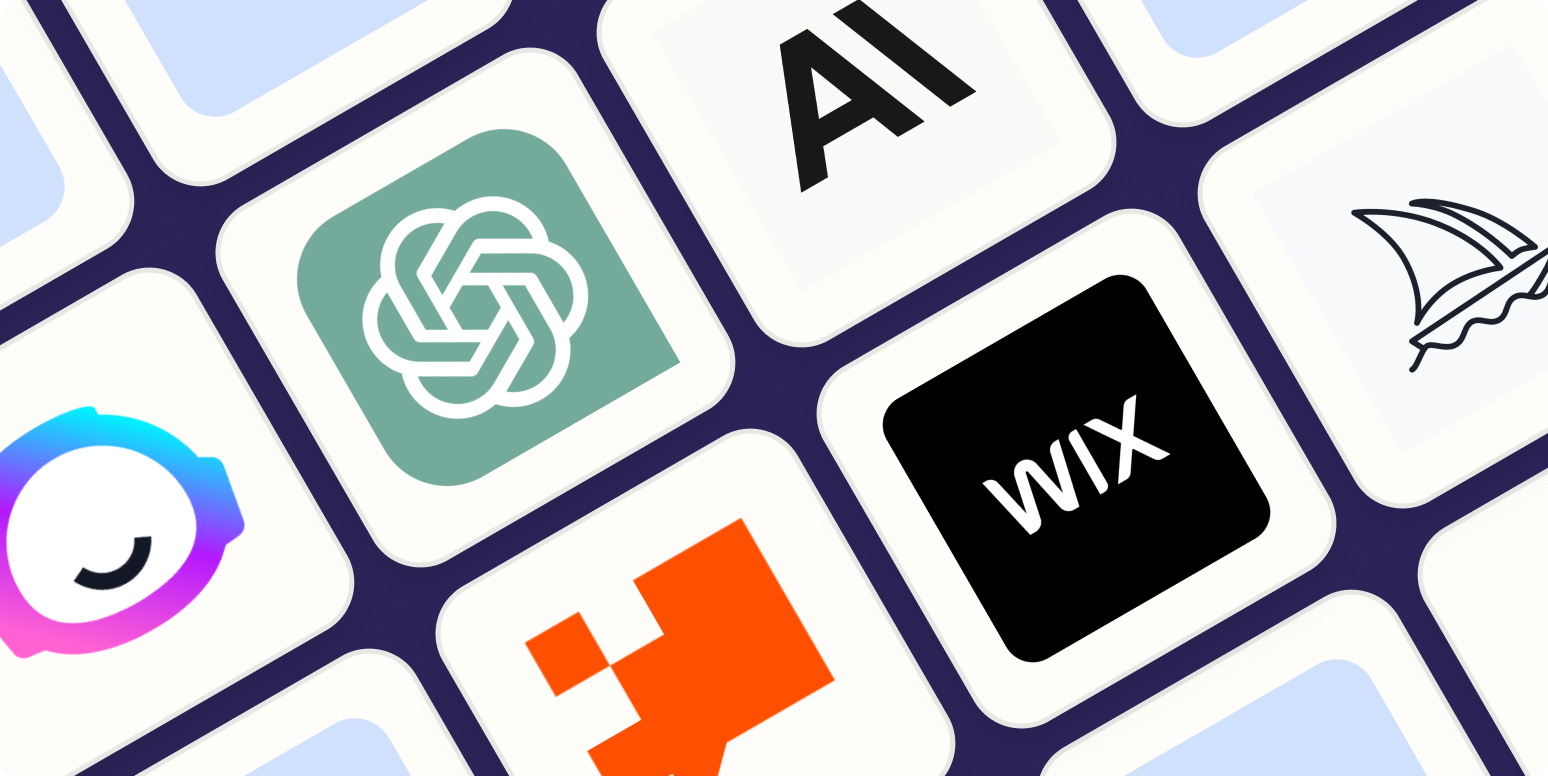
Many AI-powered tools help marketers automate tasks and improve productivity. These tools are widely used for content creation, SEO analysis, customer support, and data analytics.
| AI Tool | Purpose | Official Website |
|---|---|---|
| ChatGPT | AI content generation and chatbot assistance | https://chat.openai.com |
| Google Analytics | Website analytics and user behavior tracking | https://analytics.google.com |
| HubSpot | Marketing automation and CRM | https://www.hubspot.com |
| SEMrush | SEO and digital marketing analysis | https://www.semrush.com |
| Canva AI | AI-based design and content creation | https://www.canva.com |
These tools demonstrate how AI in Digital Marketing helps marketers save time and achieve better results.
How AI Improves SEO Strategies
Search Engine Optimization (SEO) is a critical part of digital marketing. AI tools help analyze search trends, keywords, and user behavior to improve SEO performance.
By implementing AI in Digital Marketing, marketers can:
-
Identify high-ranking keywords
-
Optimize website content
-
Analyze competitors’ strategies
-
Improve website performance
AI tools also provide insights into how search engine algorithms work, helping marketers stay updated with the latest SEO trends.
Challenges of AI in Digital Marketing
Although AI offers many benefits, it also comes with some challenges.
One challenge is the dependency on data. AI systems require large amounts of data to work effectively. Without proper data, AI tools may not produce accurate results.
Another challenge is the cost of implementation. Some advanced AI marketing tools can be expensive for small businesses.
Despite these challenges, the advantages of AI in Digital Marketing far outweigh the limitations.
Future of AI in Digital Marketing
The future of marketing is closely connected with artificial intelligence. As technology continues to evolve, AI tools will become even more advanced and accessible.
In the coming years, AI in Digital Marketing will play a bigger role in:
-
Voice search optimization
-
Advanced customer behavior analysis
-
Hyper-personalized marketing campaigns
-
Automated content creation
Businesses that adopt AI early will have a competitive advantage in the digital marketplace.
Conclusion
Artificial Intelligence has become a game-changer in the marketing industry. It helps businesses understand their customers better, automate marketing tasks, and create more effective campaigns.
By using AI in Digital Marketing, companies can improve customer engagement, increase conversions, and achieve higher marketing efficiency. From personalized recommendations to predictive analytics, AI is transforming the way brands connect with their audiences.
As digital marketing continues to evolve, AI will remain a key technology that drives innovation and growth. Businesses that embrace AI-powered tools and strategies will be better prepared to succeed in the fast-changing digital landscape.