

Introduction
In today’s digital world, video content has become one of the most powerful ways to reach audiences online. Millions of creators upload videos every day on YouTube, but only a small percentage of videos actually appear on the first page of search results. The reason behind this difference is proper YouTube SEO.
If you want your videos to gain more views, subscribers, and engagement, understanding SEO is essential. It helps your videos appear higher in search results and recommended sections. Whether you are a beginner or an experienced creator, learning SEO techniques can significantly improve your channel’s growth.
In this blog, we will explore what SEO is, why it matters, and how you can optimize your videos to rank #1 on YouTube.
What is YouTube SEO?
YouTube SEO is the process of optimizing your videos, titles, descriptions, tags, and channel so that your content ranks higher in YouTube search results.
Just like websites use SEO to rank on Google Search, videos also require optimization to appear in the search results of YouTube.
The goal of SEO is to help the algorithm understand your content and show it to the right audience.
Key factors include:
-
Keyword optimization
-
Video titles
-
Descriptions
-
Tags
-
Watch time
-
Engagement (likes, comments, shares)
When these elements are optimized correctly, SEO can help your videos reach a larger audience.
Why YouTube SEO is Important
Video content is growing rapidly, and competition is increasing every day. Without proper optimization, even great videos can remain unnoticed.
Here are some reasons why YouTube SEO is important:
1. Higher Video Rankings
Optimized videos appear higher in search results, increasing visibility.
2. More Organic Traffic
Proper YouTube SEO helps people find your videos without paid promotion.
3. Increased Watch Time
Better rankings bring more viewers, which increases overall watch time.
4. More Subscribers
When viewers find valuable content easily, they are more likely to subscribe.
5. Long-Term Growth
Unlike ads, YouTube SEO provides long-term traffic and consistent views.
Step-by-Step Guide to YouTube SEO
1. Perform Keyword Research
Keyword research is the foundation of SEO. Before creating a video, you should identify what your audience is searching for.
You can use tools like:
-
Google Keyword Planner
-
TubeBuddy
-
VidIQ
Choose keywords with high search volume and moderate competition.
For example:
Instead of “video editing,” use “video editing for beginners.”
2. Optimize Your Video Title
The title is one of the most important ranking factors in SEO.
A good title should:
-
Include the main keyword
-
Be clear and attractive
-
Be under 60 characters
Example:
YouTube SEO: 10 Proven Tips to Rank Videos #1
A compelling title increases both rankings and click-through rates.
3. Write an SEO-Friendly Description
Your video description helps YouTube understand your content.
Best practices for SEO descriptions:
-
Include your main keyword in the first 2 lines
-
Write at least 200–300 words
-
Add related keywords naturally
-
Include useful links
Example structure:
-
Short introduction
-
Video summary
-
Useful links
-
Social media links
This structure improves your SEO performance.
4. Use Relevant Tags
Tags help YouTube understand the topic of your video.
Examples of tags:
-
YouTube SEO
-
YouTube ranking tips
-
video SEO
-
how to rank videos
While tags are not the strongest factor, they still contribute to YouTube SEO.
5. Create an Eye-Catching Thumbnail
A thumbnail directly affects your click-through rate (CTR).
Tips for a good thumbnail:
-
Use bright colors
-
Add bold text
-
Show clear emotions
-
Maintain brand consistency
Many creators design thumbnails using tools like Canva or Adobe Photoshop.
A high CTR signals YouTube that your content is valuable, improving SEO rankings.
6. Increase Watch Time
Watch time is one of the most important ranking factors for SEO.
To increase watch time:
-
Hook viewers in the first 10 seconds
-
Avoid long intros
-
Deliver value quickly
-
Keep your video engaging
The longer viewers stay on your video, the better it performs in SEO rankings.
7. Encourage Engagement
Engagement signals help YouTube determine if your video is useful.
Encourage viewers to:
-
Like the video
-
Comment their opinions
-
Share with friends
-
Subscribe to the channel
Higher engagement improves SEO and helps your video reach more people.
8. Add Captions and Subtitles
Subtitles make your content accessible to a wider audience.
They also help YouTube understand the context of your video, which supports SEO.
You can add captions manually or use automatic caption features.
9. Use Playlists
Playlists organize your videos and increase watch time.
For example:
-
Digital Marketing Tutorials
-
Video Editing Tips
-
YouTube SEO Strategies
When viewers watch multiple videos in a playlist, your channel benefits from stronger YouTube SEO signals.
10. Promote Your Videos
Promotion plays a big role in boosting SEO performance.
You can promote videos on:
-
Social media platforms
-
Blogs and websites
-
Email newsletters
-
Online communities
External traffic signals that your content is valuable.
Useful Tools for YouTube SEO
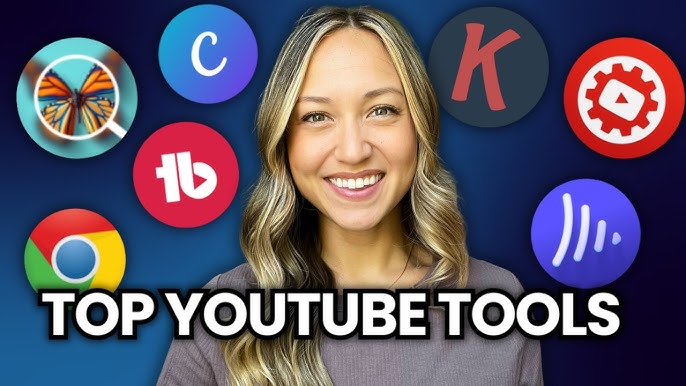
Here are some helpful tools that can improve your optimization process.
| Tool Name | Purpose | Official Link |
|---|---|---|
| TubeBuddy | Keyword research and channel optimization | https://www.tubebuddy.com |
| VidIQ | Video analytics and SEO insights | https://vidiq.com |
| Google Trends | Discover trending topics | https://trends.google.com |
| Canva | Thumbnail design | https://www.canva.com |
| Adobe Premiere Pro | Professional video editing | https://www.adobe.com/products/premiere.html |
These tools can significantly improve your SEO strategy and help your videos rank faster.
Common YouTube SEO Mistakes
Many creators fail to rank their videos because of simple mistakes.
Avoid these common seo errors:
-
Ignoring keyword research
-
Using misleading titles
-
Writing very short descriptions
-
Uploading poor thumbnails
-
Not encouraging engagement
Fixing these mistakes can dramatically improve your results.
Future of YouTube SEO
The future of SEO is closely connected with AI and audience behavior. Platforms are becoming smarter and focusing more on viewer satisfaction.
Factors that will matter even more in the future:
-
Audience retention
-
Content quality
-
Viewer interaction
-
Consistent uploads
Creators who focus on value and proper SEO techniques will continue to succeed.
Conclusion
Ranking videos on YouTube is not just about creating great content—it also requires proper optimization. By applying effective YouTube SEO strategies such as keyword research, optimized titles, detailed descriptions, engaging thumbnails, and higher watch time, you can significantly increase your chances of ranking #1.
Remember that SEO is a long-term strategy. Consistency, high-quality content, and audience engagement are key to achieving sustainable growth.
If you implement the tips discussed in this blog, you will not only improve your YouTube SEO but also build a stronger and more successful YouTube channel.